
CRTA is a civil society organization dedicated to the development of democratic culture, democratic institutions, and the improvement of conditions for free and fair elections in Serbia. CRTA analyzes the work of state institutions, the role of the media and professional information in the democratization of society, and citizens’ attitudes and beliefs about social and political processes. Since 2016, CRTA has been observing elections at the local and national levels, with the help of thousands of citizens trained to the highest international standards for citizen election observation, advocating for the improvement of conditions for fair and free elections. CRTA conducts research based on whose findings it proposes solutions, based on the principles of the rule of law and respect for human rights. Additionally, CRTA informs and educates citizens about the state of democracy and their political rights, encouraging them to directly engage in addressing issues in their communities and in other political processes.
In 2018, CRTA received the Democracy Defender Award, awarded globally by the OSCE, for outstanding contributions to the promotion of democracy and the defense of human rights, and the international recognition of the W. Averell Harriman Democracy Award for innovations, dedication, and contribution to democracy awarded by the National Democratic Institute in 2013. CRTA also received the Commissioner for Information of Public Importance and Personal Data Protection Award for outstanding contributions to the field of citizens’ rights to access information of public importance in 2018. CRTA’s Director Vukosava Crnjanski received the recognition of the Knight of the National Order of Merit (chevalière de l’ordre national du Merite), awarded by the President of the Republic of France on January 19, 2023, upon the Embassy of France nomination, for persistent and courageous efforts in strengthening democracy and promoting an accountable and transparent public debate in Serbia through the years. In addition, CRTA received the Jelena Šantić Foundation Award in 2024, an award given for outstanding contribution in the fight for the democratization of society, justice and human rights.
CRTA’s online fact-checking media Istinomer (Eng. Truth-o-Meter) is a verified signatory of the IFCN Code of Principles and a verified member of the European Fact-Checking Standards Network. Since 2020, Istinomer has been Meta’s exclusive local partner for Serbia in combating disinformation on Facebook and Instagram.
The team
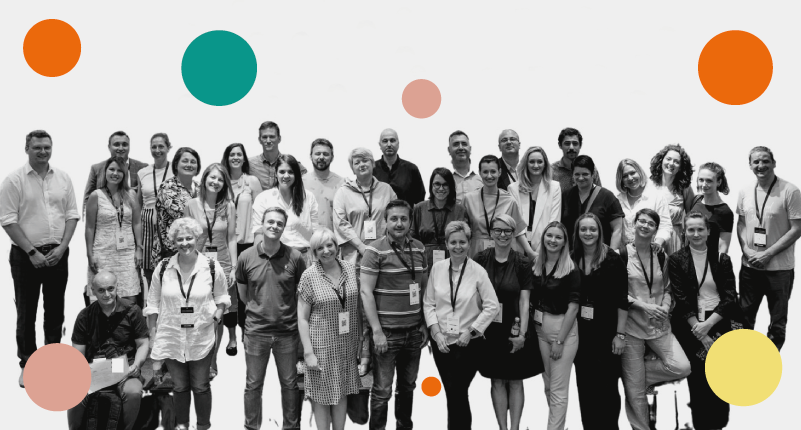
By the end of 2024, the CRTA team consisted of over 80 individuals distributed across thematic program departments for elections, quantitative and qualitative research, legal analytics, media monitoring, support for formal and informal activist initiatives, communications, media and field campaigns, finances, administration and IT. Under the auspices of CRTA, the Open Parliament operates, an initiative for a more transparent and quality work of the Parliament as a key democratic institution in the parliamentary democracy system, and Istinomer, the first online fact-checking media outlet in the Western Balkans region.
The organization is led by Director Vukosava Crnjanski and Program Director Raša Nedeljkov.
CRTA Board of Directors consists of Rastko Petaković, lawyer (Chairman of the Board), Olivera Medar, university professor, Svetlana Logar, retired university professor, Tamara Skrozza, journalist, Hajrija Bugujevci, public finance expert, Dušan Spasojević, university professor, and Ilija Vojnović, program director of the International Republican Institute, Turkey.
What marked 2024?
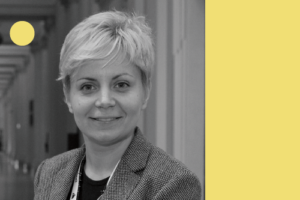
Vukosava Crnjanski, Director:
A SIGNIFICANT CHANGE HAS TAKEN PLACE, BUT THE FIGHT FOR FAIR ELECTION IS YET TO FOLLOW
“A significant change has already taken place and I believe that we will see its long-term effect. The rebellion continues, the Novi Sad tragedy has not been forgotten and all kinds of propaganda stories have failed to sink it. For us at CRTA, but also for society as a whole, the key question is how to enable citizens to properly participate in the essential democratic process – in the elections”,

Raša Nedeljkov, Program Director:
DEMOCRACY BEGINS WITH DIALOGUE
“The necessary preconditions must be met before we embark on the realization of the conditions for holding elections and establishing democracy. Those preconditions represent an essential dialogue that demonstrates real political will, accepts constructive criticism and stops smear campaigns through state institutions and the media against all democratic actors”

Tamara Branković, Deputy Program Director:
THE ASSEMBLY AS A MIRROR VICTIM OF NARRATIVE CONTROL
“Yesterday’s events in the National Assembly showed us that the government and the ruling majority do not shy away from completely subordinating and trampling both the rule of law and the institution of the National Assembly in order to establish control over the narrative and avoid responsibility when it comes to tragic, i.e. deadly events in Novi Sad”,

Pavle Dimitrijević, Director of Legal Affairs:
ELECTION DARKNESS, BUT BRIGHT SIGNS OF RESISTANCE
“Elections are getting worse from election cycle to election cycle, and on the other hand, as citizens, we have no choice but to go out and vote, because that is the essence of democracy […] We as citizens are more and more interested, I believe that people are not comfortable with feeling like puppets, abused, it is a complete loss, not only of human rights, but also of human dignity and every limit of a civilized life in the 21st century”
* a comment on election conditions and a potential boycott of elections in an interview for N1 television, April in 2024.

Vojislav Mihailović, Director of Public Opinion Research:
HOPE IN THE STUDENTS, FEAR FOR THE DIRECTION OF THE COUNTRY
“There is great hope in the students and at the same time there is increased concern about the direction the country is going, accompanied by feelings of anger, rage and fear due to the Novi Sad tragedy. This is shown by the results of the latest CRTA public opinion research, according to which as many as 61 percent of Serbian citizens support the protests and blockades that followed the fall of the canopy,”
*a review of the data from the public opinion survey conducted by CRTA in December 2024.
In Focus
During 2024, CRTA was at the very center of the fight for fair elections and political accountability with the aim of strengthening trust in democratic processes – it monitored elections, recorded irregularities, exposed mechanisms of manipulation, submitted reports to competent institutions and empowered citizens to come forward in their local communities and oppose the wide range of manipulations they encounter every day.
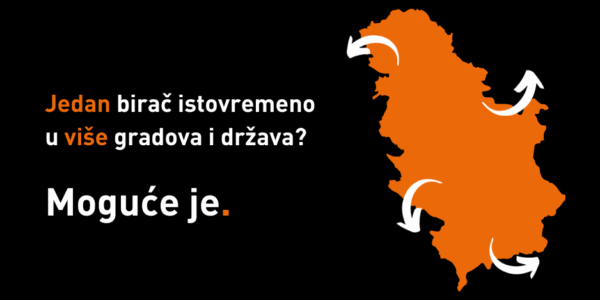
CRTA continued its monitoring mission, monitoring key aspects of the electoral process and providing public insight into electoral irregularities, including abuse of voter lists, political pressure on voters, abuse of public resources and organized migration of voters for the purpose of electoral engineering.
With the campaigns “Open Your Eyes” and “The Year of Super (Un)Accountability”, CRTA encouraged citizens to recognize and report electoral corruption, while the international conference “In effect, do we elect?” and the multimedia exhibition “Erasing the Illusion” opened up space for public dialogue about electoral problems and the collapse of democratic standards.
Apart from observing the elections, CRTA brought a broader picture of the political reality in the country to the citizens. Through research into citizens’ attitudes and monitoring of the most influential media in Serbia, CRTA sought to inform citizens about the state of democratic processes, trust in institutions and the prevalence of media bias and manipulative narratives.
Through the Open Parliament initiative, CRTA continued to monitor the work of the National Assembly, point out violations of parliamentary procedures and demand greater accountability of public office holders. At the same time, Istinomer, through daily fact-checking, analysis of political narratives and educational content, was a key tool in suppressing disinformation and exposing manipulations in the public and media space.
In local communities, CRTA provided support to initiatives fighting for the public interest, organized workshops for key actors in the electoral process, including members of electoral committees and representatives of the prosecution, and strengthened civil networks in the fight against systemic abuses and violations of democratic principles.
Final Election Observation Report
At the beginning of 2024, CRTA published its final assessment of election day within the 2023 electoral cycle, emphasizing that the snap parliamentary and Belgrade elections were neither free nor fair. The public was informed about serious abuses of the electoral process, including violations of voting rights, breaches of legal regulations, and the misuse of state institutions, all of which significantly undermined the integrity of the parliamentary elections. It was particularly highlighted that the results of the Belgrade elections did not reflect the freely expressed will of the citizens living in the capital, providing insight into the scale and variety of irregularities that characterized the 2023 electoral process.
Case study
Along with the final assessment of the election day, CRTA published a case study highlighting the misuse of the voter register, based on citizen reports and data from the Istinomer database. The study revealed that 129 voters were registered at the address of an unfinished building at Danijelova 9 in Voždovac, providing citizens with further insight into manipulations within the electoral process..
2024 Elections
CRTA Election Observation Mission
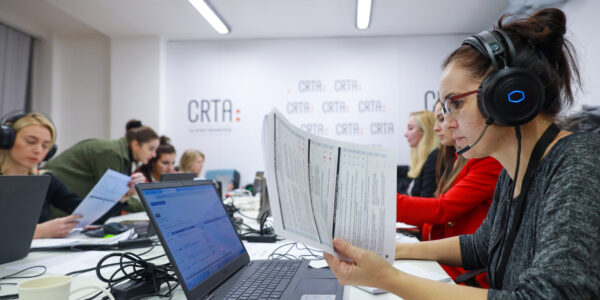
Ahead of the June elections, CRTA once again activated its observation mission to monitor all key aspects of the electoral process. A team of nearly 50 long-term observers tracked and analyzed the legal framework, the work of the electoral administration, the candidacy process, the formation of polling stations and voter turnout, as well as the activities of political actors during the campaign, on the ground and in the media. Additionally, the team provided legal support to citizens in exercising their voting rights.
Alongside this team, the media monitoring team focused on the coverage of national television outlets, paying close attention to political pluralism, while the field team recorded the activities of political actors through observation, social media and conversations with citizens.
On election day, CRTA’s election observation mission, consisting of around 1,500 observers, monitored Belgrade elections at polling stations. As in previous election cycles, CRTA organized training sessions and trained its observers in accordance with the highest international standards for non-partisan and impartial election observation. The focus of the observation mission was on informing citizens about the quality of the electoral process, through regular public updates on voter turnout and the progress of voting, as well as on implementation of electoral procedures, throughout the day of the vote

The findings of the observation mission were presented to the public through the reports “First Assessment of Long-Term Observation” and “Second Assessment of Long-Term Observation”, with the aim of providing the public with a clear insight into the course of the campaign and the quality of electoral conditions compared to previous election cycles.
The public was also informed about the regularity of the Election Day on June 2, 2024, through a preliminary public statement. Relying on its election observation findings, CRTA assessed that the elections for the Assembly of the City of Belgrade were devastating regarding the integrity and quality of the elections, the rule of law and the democratic capacity of society. Around 200,000 fewer voters got out to vote compared to December 2023, and despite a convincing majority that would form the Belgrade government, its legitimacy is questionable as it resulted from an election process far below the standards for democratic elections.
Final Election Observation Report
After the elections were completed, CRTA developed the final report, aimed to present the public with a comprehensive picture of the electoral process and its key shortcomings. The report on the Belgrade elections revealed new findings indicating serious violations of electoral integrity and democracy, highlighting that the election conditions were far below democratic standards. This included a record-low voter turnout, serious abuses of the voter register, voter intimidation and the misuse of state resources in favor of the ruling authorities.
Electoral Advocacy
As part of its observation mission, CRTA submitted complaints and reports to state bodies (such as the Anti-Corruption Agency and the Regulatory Authority for Electronic Media) as well as other inspection services. During the campaign for the Belgrade elections, CRTA filed a total of 75 complaints regarding electoral irregularities. Of these, 37 complaints were sent to the Anti-Corruption Agency regarding the misuse of public resources and functions, while 38 complaints were directed to the Regulatory Authority for Electronic Media (REM) about abuse of office and negative campaigning in electronic media. CRTA also filed 19 complaints against local TV stations from Pančevo and Novi Sad for rebroadcasting inappropriate content, as well as one initiative to the public prosecutor’s office regarding the abuse of state symbols.
CRTA continued strengthening the capacities of key actors in the electoral process to address issues more effectively and implement recommendations aimed at improving the functioning of electoral bodies and safeguarding electoral integrity. Workshops were organized for representatives of local electoral commissions to discuss the challenges these commissions face. These workshops included participants from various electoral commissions, with experts in electoral administration also taking part. Additionally, CRTA continued its work to enhance the role of institutions responsible for preventing electoral manipulation. In cooperation with the Association of Serbian Prosecutors, training sessions were organized for public prosecutors, focusing on criminal offenses related to violations of electoral rights.
Throughout this year-long period, CRTA continued its engagement within the parliamentary Working Group for the Improvement of the Electoral Process in 2024, actively providing contributions through policy and legislative proposals, attending all meetings of the Working Group in various formats, producing diverse documents and legislative proposals, including the one related to the Voters Registry Audit.
Following the submission of the revised legislative proposal to the Working Group, it was, together with the ruling majority’s proposal, sent to ODIHR with a request for an opinion. At the end of November 2024, ODIHR gave a positive assessment of CRTA’s draft, concluding that the ruling majority’s proposal failed to address critical aspects that ODIHR positively evaluated in CRTA’s proposal.
Campaigns and events
Campaigns
Informational campaigns
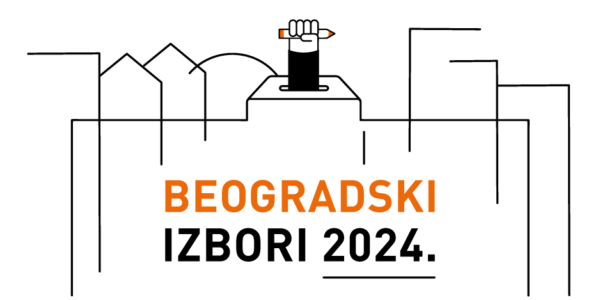
During the pre-election period, CRTA launched several campaigns aimed at regularly informing citizens about all stages of the electoral process, enabling them to make informed decisions and empowering them to actively participate in democratic processes. This included a series of outreach initiatives such as “2024 Belgrade Elections – Everything You Need to Know”, “Report Every ‘Glitch’ in the Elections” as part of the “Open Your Eyes” campaign, CRTA’s quiz on the Belgrade city elections, and “Which Cities and Municipalities Will Hold Elections on June 2, 2024?”.
“Open Your Eyes” Campaign
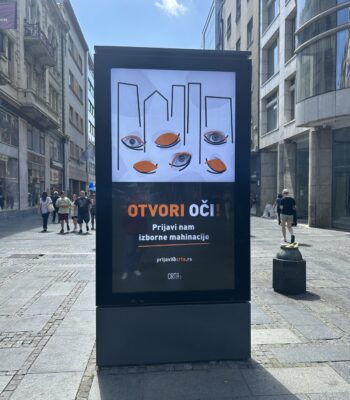
To raise awareness about electoral corruption, CRTA also launched the campaign “Open Your Eyes” during the 2024 Belgrade elections, utilizing both digital and traditional media. The campaign, which was created in response to the shortcomings of December 2023, called on citizens to report irregularities. As part of the campaign, two video materials were created: one focused on the importance of fair elections, and the other in a documentary format aimed at encouraging citizen engagement.
"Year of Super (Un)Accountability” Campaign
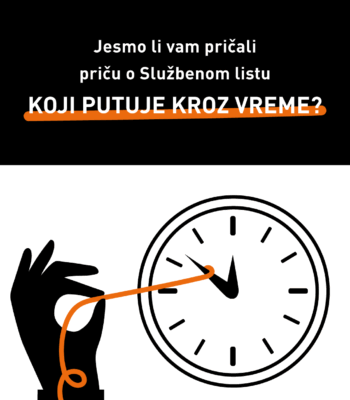
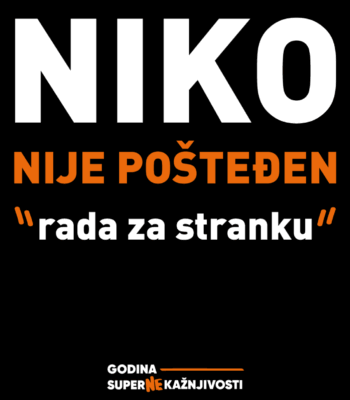
The campaign “Year of Super (Un)Accountability” was launched in response to the irregularities observed during the parliamentary and Belgrade elections on December 17, 2023, which involved political pressures, voter migrations and manipulation of voter lists. Despite criminal complaints being filed and numerous irregularities being documented, no legal proceedings were initiated a year later. To remind the public of the events that contributed to a culture of impunity, CRTA launched an online campaign. Through more than 50 social media posts, the campaign showcased examples of fraudulent support signatures, calls to vote for deceased individuals, and manipulation of residency to facilitate voter migration.
Defending Democracy Campaign
On November 1, 2024 a newly renovated canopy at the railway station in Novi Sad collapsed, killing 16 people. The tragedy, widely seen as a consequence of systemic corruption and negligence, sparked a wave of public outrage with citizens taking to the streets, demanding justice and accountability from those in power.
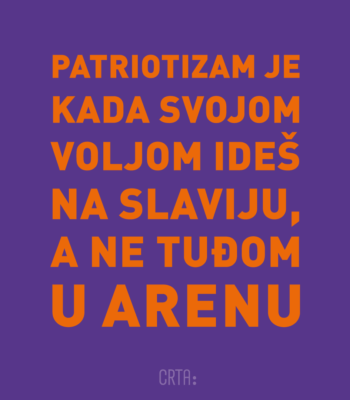
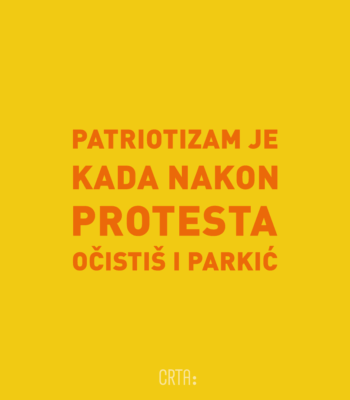
In response, CRTA had launched a campaign that focused on messages such as “Patriotism is solidarity” and “Patriotism is when you spark hope, not fear”, aiming to promote values and actions that truly embody patriotism.
Events
“In Effect, Do We Elect?” Conference
Super election year. Around 3.7 billion people have voted or will vote in 2024. Does this number evoke more fear or hope?
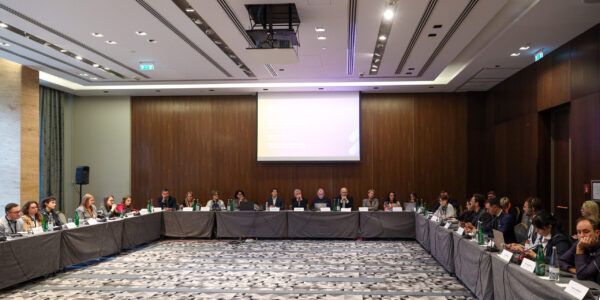
In this spirit, CRTA’s international conference dedicated to the challenges of electoral processes and the crisis of electoral democracy gathered numerous academic researchers, experts, intellectuals, and activists from Serbia and abroad. Through plenary debates, expert roundtables, and working groups, participants worked together to find solutions on how to resist political clientelism, electoral engineering and media manipulation, as well as how to strengthen tools for independent election observation. The discussions were partly open to the public, while the expert working segments were held in accordance with Chatham House rules. On the final day of the conference, recommendations and guidelines for reforms were presented, which could contribute to the restoration of trust in electoral processes not only in Serbia but also in democratic societies around the world.
The event was attended by more than 300 guests in person, while a total of 1.226 online views of the conference live stream has been recorded. The conference gathered around 70 speakers from the ranks of domestic and international election experts, policy practitioners, academia members, civil society, media professionals and activists, from 18 countries, respecting the gender balance (37 male and 34 female speakers). Also, the conference was attended by the representatives from various institutions such as the Parliament’s Secretary General and representatives of parliamentary service, ruling majority, opposition, and independent MPs, the president and members of the Republic Electoral Commission, president and members of the Belgrade’s City Administration, Commissioner for Protection of Equality and public prosecutors. Also, the experts from ODIHR attended and took part as participants in the working groups for electoral administration and voter registry.
A total of 21 panels, expert discussion tables (working groups), workshops and side events were organized during the course of the three conference days.
The plenary sessions, which were livestreamed, included the following panels:
- Super Election Year: Around 3.7 billion people are voting in 2024. Are these numbers bearing more fear or hope?
- How to recognize electoral authoritarianism?
- Global (dis)information landscape: Is a well-informed voter becoming a mythical creature?
- Migration and other manipulations; how to prevent election engineering?
- Elections home and abroad: diplomatic perspectives
- Political Web Hosting: Culture of Clientelism in the Western Balkans and beyond
The working groups were organized in the form of expert round tables, respecting the Chatham House rules. The working groups aimed to discuss and provide arguments regarding various aspects of the electoral process and formulate recommendations for improving electoral conditions in areas of participants’ expertise. The six working groups covered the election administration, public media service, election observation methods and experiences, voter registry, media pluralism and role of the electronic media regulator, and public prosecution in elections. The fruitful discussion resulted in opening questions and outlining recommendations for addressing identified issues.

Within the conference, CRTA organized several side events in the form of community events, in order to engage non-traditional actors in electoral reform discussions. The first event, “Networks, influences, likes: In effect, do we elect?”, which was held in the “The House of Female Artists” space, was dedicated to the discussion regarding the broader impact of elections on the everyday life of citizens. The panel participants were all active female citizens, micro influencers and experts, from different backgrounds. The second event, “(Youth in elections): Elections – From A to Gen Z”, was held in the “Miljenko Dereta” venue. With the aim to address the issue of youth (dis)engagement in elections, this event featured Instagram and TikTok youth influencers as panelists. Through these two events, CRTA engaged over 80 citizens in person.


As a side event during the conference, a photo exhibition titled “Constituency in Continuum” was organized in collaboration with the photo collective Kamerades. Held in a specially curated space, the exhibition aimed to bring the theme of elections closer to the audience and represent a unique approach to engaging non-traditional actors in the topic of elections.

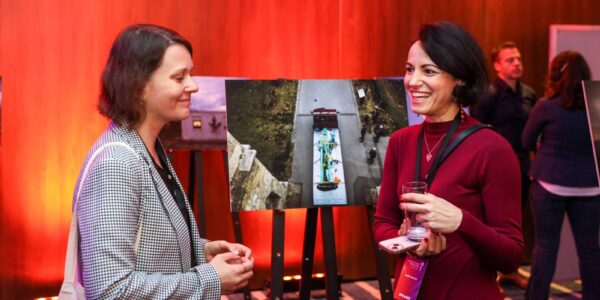
The conference gained significant public and media attention resulting in more than 90 different media pieces, primarily on websites, but also in TV reports and articles in print editions of newspapers and magazines. In addition to media statements, reports and interviews with conference participants, N1 TV channel broadcasted one of the conference panels live. Particular media attention was attracted by Alexander Cherkasov, who participated in numerous interviews during the conference (N1, EuroNews, Insajder, Radio Free Europe, Istinomer, Radar).
Through social media campaigns (before, during and after the conference) 1.335.473 citizens were reached through Facebook and 2.640.827 via Instagram, while on X 76.744 impressions were gained. The event was streamed live on CRTA’s website and YouTube channel in both Serbian and English. The entire three-day conference was available online, allowing both domestic and international audiences to participate. The streams in Serbian had 725 views, while the English-language stream garnered 501 views.
“Erasing the Illusion” Exhibit
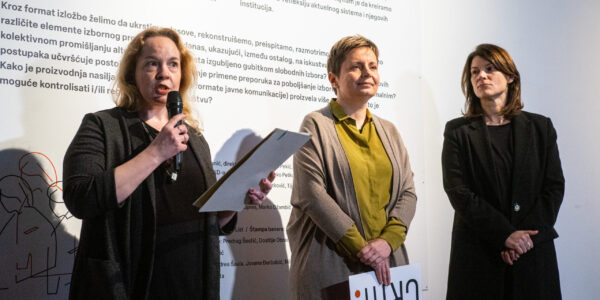
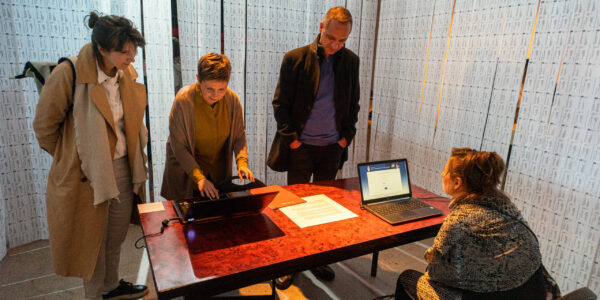
The exhibition “Erasing the Illusion” organized by CRTA, reminded the public of the fundamental principles of democracy – fair, free, and transparent elections – and raised the question of whether our elections truly adhere to these principles. Through symbolic representations, such as a tulle box buried under voting calls sent to people no longer living at given addresses, CRTA highlighted serious flaws in the electoral process. The findings presented were based on 5,700 reports from long-term observers, 1,500 hours of television material and more than 100,000 pieces of information collected on election day, all compiled into a 150-page final report. The exhibition served as a call to reflect on the reality we live in, where results arrive by bus and cross borders, leaving us to question how authentic our democracy truly is.
The exhibition was opened by the CRTA Director Vukosava Crnjanski, independent curator Milica Pekić and guest curator from the Center for Cultural Decontamination Ana Sladojević.
Lasting from March 11 to March 2024, it offered insights into the various mechanisms of abusing the institution of elections as a platform for expressing the free will of citizens and citizens’ participation in the political life of the country.
The Brave Voice Award

“Everyone has the right to enjoy basic human rights. Rights that we take for granted today were fought for, and lives were lost for them. And in the end, we should ask ourselves what kind of country we want to live in and what kind of country we want to leave for our children,” said the award recipient.
In addition to Andrej, special recognitions were awarded to organizations Res Publica from Kragujevac and the Center for the Development of Pomoravlje from Ćuprija for their bold efforts in monitoring local elections in their communities.
Research reports
Public opinion surveys
In 2024, CRTA’s research team conducted and published two public opinion surveys: “Citizens of Serbia’s Attitudes Toward Participation in Democratic Processes in 2023” and “Citizens of Serbia’s Attitudes Toward Protests and Blockades of Universities”.
The first report highlighted a decline in citizens’ trust in efforts to address local issues, with local governments still seen as the main actors, but citizens criticizing them for not dealing with the core issues that truly affect them. Civic activism remained at a moderate level – only 20% of citizens participated in local actions, with the most active being younger, more educated individuals and those living in urban areas. The most common form of engagement was still online participation (29%), but at the same time, pessimism about achieving change through traditional means was on the rise. This sense of powerlessness was further amplified following the protests and disputed elections, which led to an increase in overall distrust.
Amid the crisis caused by the collapse of the canopy and the student protests and university blockades, CRTA conducted a new survey that revealed that the majority of citizens (61%) supported the protests and blockades. Students enjoyed more trust than politicians, and citizens saw them as drivers of change. More than half of the respondents believed that the country was heading in the wrong direction, with the biggest issues identified as corruption, inflation, and poverty. Responsibility for the tragedy itself was attributed to the ministers, the President, the construction contractors, and the supervisory bodies.
Media research reports
This year, CRTA also published a media study highlighting strong bias in the domestic media’s coverage of foreign actors, often supported by manipulative narratives. Russia and China are predominantly portrayed in a positive light, while the EU, USA, and NATO are mostly depicted negatively. Key events such as the elections in Russia and the visit of the Chinese president further strengthened these narratives. Although the war in Ukraine briefly reduced the positive tone towards Russia, 2024 saw a return to the narrative from previous years. China consistently enjoys stable affirmative media attention, while the negative portrayal of the West has become a common and long-standing pattern.

In 2024, the Open Parliament initiative continued to regularly monitor the work of the National Assembly of the Republic of Serbia, aiming to present the processes to the public from the perspective of transparency, accountability, and participation. A total of 27 transcripts, 1,972 speeches, 154 adopted acts, 150 reports from committee sessions, and 2 reports from public hearings were published. The Open Parliament team also prepared weekly summaries of parliamentary events through 51 editions of the “Parliamentary Playbook”.
The series of authored articles (Trapped in the Parliament) was also regularly published. The 10 newly developed articles in the series “Trapped in the Parliament” by Voja Žanetić, a well-known satirist, columnist and screenwriter, that was originally launched in 2023, focused on the abuse of procedures, the restriction of debate, the dominance of the executive branch over the legislative branch, and the prevention of the opposition from participating in parliamentary work.
In 2024, special analyses were published, such as How Will the New Assembly Look? and Research on the Assessment of the Need for Involvement of Parliaments in the Western Balkans in the Berlin Process, including Stakeholder Mapping Serbia – Berlin Process.
In addition, two in-depth analyses were prepared:
- Analysis of the Controversial “Lithium Session” Held in the Summer of 2024 and
- Annual Report on the Work of Parliament.
Through the Open Parliament initiative, CRTA continued to strengthen activities aimed at increasing public engagement, and during this 12-month period, additional growth was recorded. A total of 22 issues of the Parliament Weekly were published, providing a weekly overview of parliamentary activities. These reports now reach over 300 international subscribers, including partner organizations abroad. In December 2024, a Serbian-language edition was launched, accompanied by a promotional campaign that attracted over 250 new subscribers within a month.

The fact-checking initiative Istinomer significantly expanded its content production and audience engagement in 2024, further strengthening its role as a key platform for fact-checking and combating disinformation in Serbia. The fact-checking team published over 390 articles, marking a 23% increase compared to the same period last year.
In 2024, Istinomer fact-checked a total of 56 statements made by politicians. Of these, 23 were found to be false, three were rated as “short legs,” and only three were true. Five statements were rated as “abuse of facts,” two were unverifiable, and one was rated as inconsistent. Additionally, there were 19 unfulfilled promises, with only one not related to missed deadlines for infrastructure projects.
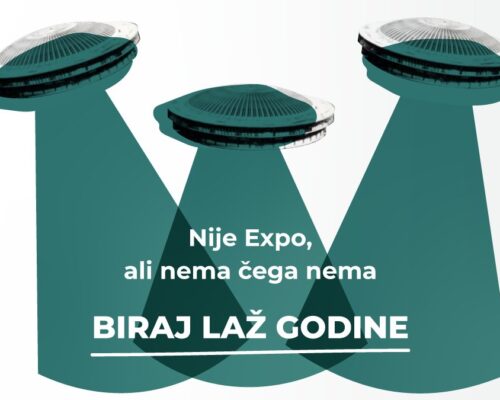
Among the most read articles was the vote for the “Lie of the Year”, where Istinomer readers chose the most prominent political falsehood, garnering 14,100 reads. Speaker of National Assembly Ana Brnabić’s statement that the “Jadar” project has been “absolutely put to an end”, readers of Istinomer chose as their 2024 Lie of the Year.
While Brnabić was the most frequently fact-checked politician in 2024 with 13 fact-checked statements, the most notable fact-check focused on President Vučić’s claim that lithium mining in Serbia was a “done deal,” and the article recorded 4,700 reads. The President was the second-most fact-checked politician with 9 statements which were evaluated by the Istinomer team.
In addition to political statements, around 250 viral manipulations shared across social media platforms like Facebook, Instagram, and Threads were analyzed throughout the year. These manipulations revealed some of the dominant narratives, such as: the decadent West, global elite conspiracies, and Zelensky as a war profiteer.

Istinomer also launched vucicomer.rs, a website dedicated to tracking, analyzing, and fact-checking the public statements of Serbian President Aleksandar Vučić, aimed at enhancing transparency, information and accountability. This new channel enabled a designated space for communication of new data solely tied to fact-checking the President’s claims and spins.
To empower journalists and researchers with essential skills for information verification, Istinomer organized a series of four online webinars in December 2024, marking its 15th anniversary. Each webinar was attended by 20 journalists, including representatives from media outlets such as Euronews, N1, and student media initiatives.
The topics covered during these sessions included:
- Digital forensics and verification techniques using the InVID tool
- Identifying AI-generated content
- Fact-checking political statements
- Disinformation campaigns and information operations
Citizens Have Power
Support Programs for Initiatives
Through various programs, CRTA continued to encourage civic participation and strengthen the capacity of individuals and organizations to act in the public sphere. Through the initiative “Citizens Have Power” more than 35 organizations, such as the Center for the Development of Pomoravlje, Moms of Šabac, Vojvodina Green Initiative, Youth Zone etc., were supported in their efforts to make it easier for citizens to get involved in decision-making processes and protect the public interest. These activities were focused on informing, educating and motivating citizens to actively advocate for change in their communities.
As part of these efforts, initiatives addressing important social issues such as environmental protection, ecological safety, preservation of cultural heritage, water resource management, combating healthcare abuses, improving youth support systems and similar issues received legal and expert support.
To make the contributions of these initiatives more visible and to better inform the public about their work, a series of articles were published showcasing the diverse activities and topics that these organizations and groups are addressing. Through these materials, the challenges faced by these initiatives, their results and the significance of their actions for local communities and broader societal change were highlighted.
Some of the articles published on CRTA’s website include “Why is There Sulfuric Acid in the Air?”, “There’s Something in the Air in Ćićevac – Pollution, but Also Enthusiasm”, “Children Are Not Advertising Material”, and “What’s Hidden Under the Cobblestones?”.
Educational Workshops
In 2024, CRTA organized the ninth edition of the Democracy Academy with the aim of empowering young activists, journalists, and political party members through education on democracy and electoral processes. The program ran from July 12 to September 22 and included four thematic modules focused on electoral systems, media influence, election observation and public advocacy. Through workshops and simulations, participants gained practical knowledge and skills in fact-checking, identifying electoral irregularities and conducting electoral monitoring. After completing the program, participants felt empowered to take on the role of independent election observers and apply the knowledge gained in future observation missions.
CRTA organized the Autumn School of Activism, bringing together 21 participants from five civil society organizations and two activist groups. The program was focused on developing project proposals addressing local issues, providing an opportunity to support the best proposals through CRTA’s granting programs.
During three weekend modules, held from October to December 2024, participants acquired skills in public advocacy, stakeholder analysis, communication strategies and project writing. They tackled issues such as environmental concerns in Pomoravlje and New Belgrade, the preservation of cultural heritage in Pozarevac and Stara Planina, and transparency in public funding in Paracin. Training was conducted through workshops, practical exercises and mentorship. The final module focused on project development, resulting in concrete project applications. Participants rated the program highly, highlighting its impact on networking, advocacy and local activism.
Citizen Assembly
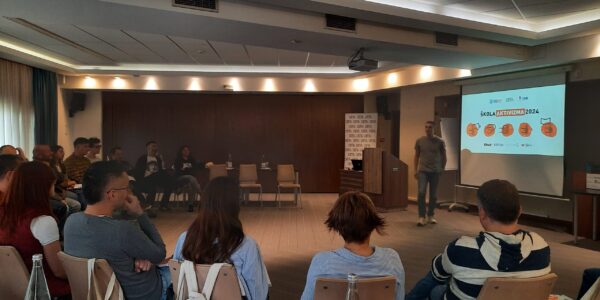
CRTA organized a Citizens’ Assembly in Niš from December 6 to 8, 2024, dedicated to the theme of violence prevention in schools, with the central question: “How to effectively involve children and parents in the prevention of violence in schools?”. The discussion within the assembly was carefully prepared and based on informative materials created by three experts, including legal analysis, school management structure and examples of good practices in collaboration between parents, students and educational institutions.
Participants in the Citizens’ Assembly were recruited through fieldwork, visiting 300 households, after which 40 citizens were selected. CRTA internally organized and moderated the sessions, with 15 team members having undergone training through workshops and simulations. Additional expert support was provided by experts from the Institute for Philosophy and Social Theory, and a facilitation manual was also created.
The report from the Citizens’ Assembly was finalized and distributed to participants and experts, while a meeting with education experts was organized to present the conclusions and ideas that emerged from the assembly’s work. Additionally, in collaboration with educational experts, CRTA began developing a public advocacy plan to promote the Citizens’ Assembly’s proposals for strengthening cooperation between parents, students and schools in the fight against violence – proposals that directly stem from local communities.
Other Achievements
Awards
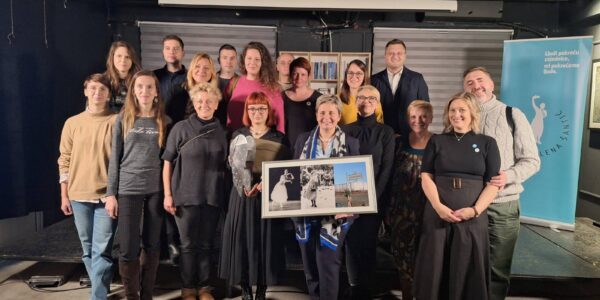
In 2024, CRTA received the Jelena Šantić Foundation Award, a recognition granted for exceptional contribution to the fight for the democratization of society, justice, and human rights.
Platform against violence
CRTA, together with other civil society organizations, launched the May Platform, a civil society initiative born out of the need to collectively seek answers to the difficult questions posed by the unprecedented eruption of violence in May 2023. After the suspension of the work of the Inquiry Committee, which was under the auspices of the National Assembly, the highest representative and legislative institution, and was supposed to investigate these issues, experts from various fields and civil society activists gathered around the May Platform, recognizing the importance of the public as a democratic institution through which society can articulate a response to the problem of violence, particularly that involving children and youth.
Contributions
CRTA continued to contribute on the international level by providing expert comments and analyses for relevant international reports. Contributions were prepared for the European Commission and European Parliament reports on Serbia’s progress, democratization processes, and recommendations regarding the electoral process, media situation, and the functioning of institutions.
Group and Bilateral Meetings
Through numerous bilateral and group meetings, decision-makers and representatives of institutions from various countries and international organizations were regularly informed about the latest and key findings of CRTA’s research. Along with presenting the findings, specific recommendations derived from the analysis conducted by CRTA were shared with these stakeholders.
Organisational development

Continuing the trend from previous years, CRTA further strengthened its internal capacities in 2024. Within this 12-month timeframe, CRTA remained committed to enhancing the skills and capacities of its team, ensuring continuous development in programmatic, financial, and administrative areas.
Aware of the need to adapt to societal changes, the organization carried out a structured process of strategic, project, and action planning to improve its approaches and increase operational efficiency.
Members of CRTA’s leadership and management team participated in a series of sessions and discussions dedicated to assessing the organization’s internal capacities, guiding programmatic directions, and defining action plans for future initiatives. In addition to precisely defining the specific activities and results to be achieved in the upcoming period, this process also served as an opportunity to evaluate CRTA’s position within the broader socio-political context, ensuring that the organization’s strategies remain relevant and aligned with new challenges and opportunities.
Alongside these processes, CRTA continued its work on strengthening and expanding its network. The organization maintained active communication with network members through constant support and information sharing, which contributed to strengthening its resilience and long-term sustainability. By encouraging collaboration and strengthening partnerships, CRTA ensured that its network remained strong and ready for future democratic challenges and civic initiatives.
By directing its development in line with social changes, CRTA ensured that its team remained prepared to face new challenges while staying true to its mission of strengthening democratic values and civic engagement in Serbia.
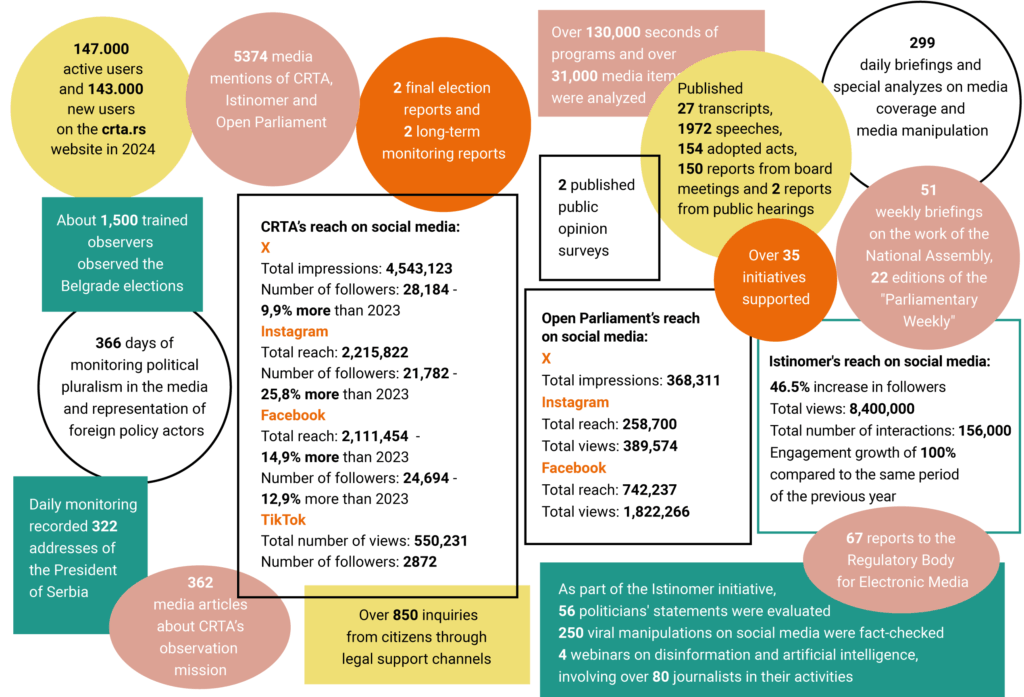
The year in numbers
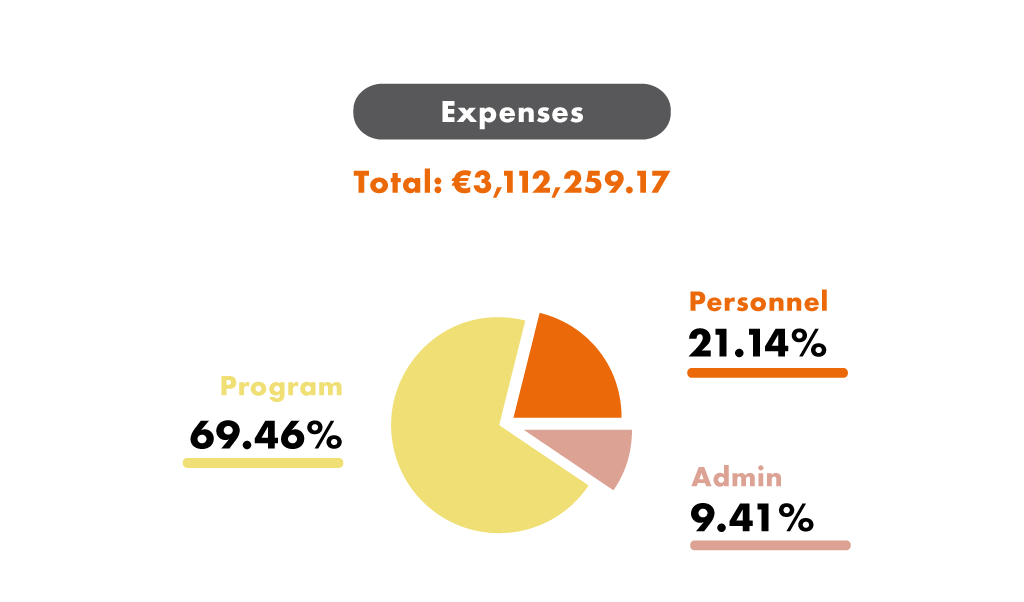
Expenses and revenues
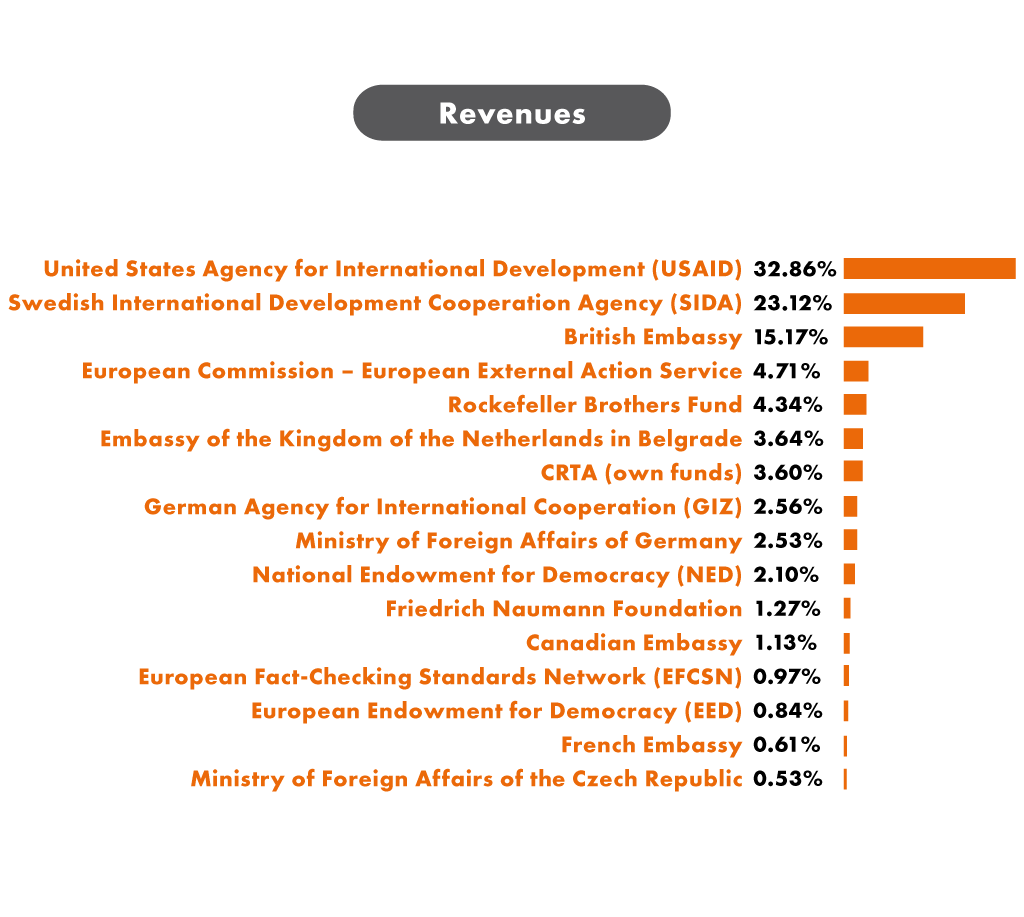
Partners
- British Embassy Belgrade
- Canada Embassy Belgrade
- Deuthsche Gesellschaft fur Internationale Zusammenarbeit (GIZ) GmbH
- European Fact-Checking Standards Network
- European Endowment for Democracy
- France Embassy Belgrade
- Friedrich Naumman Stiftung
- German Ministry of Foreign Affairs
- Microsoft
- National Endowment for Democracy
- Netherlands Embassy Belgrade
- Rockefeller Brothers Fund
- Swedish International Development Agency
- United States Agency for International Development
- European Commission, Service for Foreign Policy Instruments, through the European Partnership for Democracy (Belgium)
- German Federal Foreign Office, through the Institute for Democracy “Societas Civilis” (North Macedonia)
- Ministry of Foreign Affairs of the Czech Republic, through the Transitions (Czech Republic)
- National Endowment for Democracy, through the Gong (Croatia)
- United States Agency for International Development, through the Trag Foundation (Serbia)